
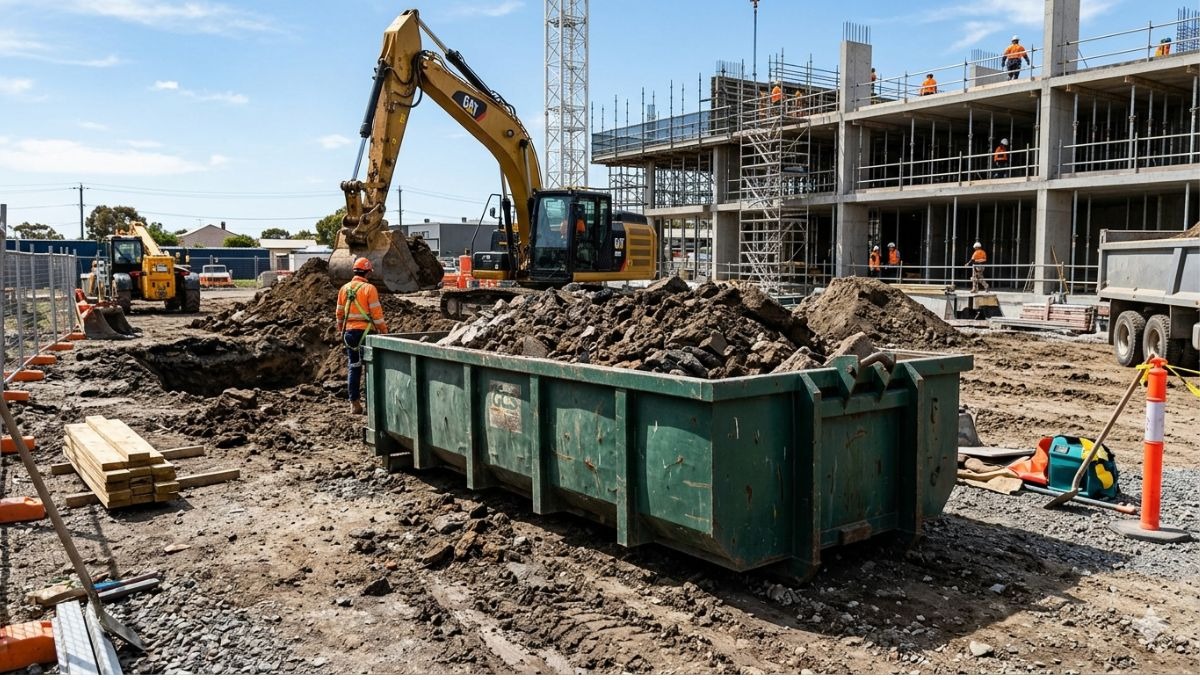
How Soil Skip Bins Help Keep Construction Sites Safe
Construction sites are busy environments filled with heavy equipment, excavation work, materials, and ongoing movement of workers and vehicles. While efficiency is essential, safety always remains the top priority. One of the most overlooked contributors to a safer construction site is proper soil waste management.
Large amounts of soil, dirt, clay, rocks, and excavation material can quickly build up during construction and landscaping projects. Without an organised removal system, these materials can create serious safety risks. Soil skip bins play a major role in keeping worksites cleaner, safer, and more efficient.
At Skip Hire Geelong, soil skip bins help builders, contractors, and property owners manage excavation waste effectively while improving overall site safety.
Reduces Trip and Fall Hazards
Loose piles of soil and debris can easily become dangerous obstacles on construction sites. Workers moving around equipment, tools, and building materials may trip over uneven ground or scattered waste, increasing injury risk.
Using dedicated soil skip bins keeps excavation waste contained in one secure location. This helps:
- Keep walkways clear
- Reduce clutter
- Improve worker movement
- Lower accident risks
An organised site is much easier for workers and contractors to navigate safely throughout the day.
Prevents Soil From Spreading Across the Site
Excavated soil can quickly spread due to wind, rain, machinery movement, or foot traffic. Muddy conditions and loose dirt may create slippery surfaces that increase the chance of falls and vehicle accidents.
Soil skip bins provide a controlled waste collection point, helping to:
- Minimise mud build-up
- Reduce slippery surfaces
- Prevent soil contamination
- Maintain cleaner work zones
This becomes especially important during wet weather or large-scale excavation projects.
Improves Vehicle and Machinery Access
Construction sites rely heavily on trucks, excavators, loaders, and other machinery operating safely around workers and structures. Excess soil dumped around the site can obstruct vehicle pathways and create unstable driving surfaces.
Proper soil disposal using skip bins ensures:
- Better equipment access
- Safer traffic flow
- Improved visibility
- Reduced collision risks
Keeping work areas clear allows machinery operators to perform tasks more efficiently and safely.
Supports Better Site Organisation
A well-organised construction site contributes significantly to workplace safety. When waste materials are managed properly, workers can focus more effectively on their tasks without unnecessary hazards around them.
Soil skip bins help create:
- Designated waste areas
- Cleaner excavation zones
- Improved workflow
- Faster cleanup processes
Efficient waste management also helps projects stay on schedule while reducing workplace stress and confusion.
Reduces Manual Handling Risks
Soil is one of the heaviest forms of construction waste. Moving large amounts manually can place strain on workers and increase the risk of lifting injuries.
By positioning soil skip bins close to excavation areas, workers can dispose of material directly into the bin instead of transporting it long distances. This reduces:
- Heavy lifting
- Repetitive strain
- Worker fatigue
- Injury risks
Safer waste handling contributes to better overall productivity on-site.
Helps Maintain Compliance With Safety Standards
Construction sites must follow strict workplace health and safety regulations. Poor waste management may lead to non-compliance, penalties, or unsafe working conditions.
Using soil skip bins demonstrates responsible site management and helps maintain:
- Safer working environments
- Cleaner construction zones
- Better compliance with safety requirements
- Reduced environmental risks
Professional waste management solutions support both safety and operational standards.
Encourages Faster Site Cleanup
Construction projects often generate waste continuously throughout the workday. Without a reliable disposal system, soil piles can quickly become unmanageable.
Having a dedicated skip bin on-site allows workers to remove waste immediately as excavation progresses. This keeps the site cleaner from start to finish and prevents waste accumulation from becoming a safety concern.
Environmentally Responsible Soil Disposal
Safe construction sites also depend on environmentally responsible waste handling. Improper soil dumping can damage nearby areas, block drainage systems, and create pollution risks.
Professional soil skip services help ensure excavation material is disposed of or recycled appropriately according to local regulations.
Final Thoughts
Construction safety depends on proper planning, organisation, and waste management. Soil skip bins offer a simple yet effective way to control excavation waste and reduce hazards across construction sites.
From preventing trips and slips to improving machinery access and reducing manual-handling risks, proper soil waste management helps maintain safer, more productive worksites.
Whether managing a residential build, landscaping project, or large-scale excavation, soil skip bins help create cleaner, safer construction environments for everyone involved.
FAQs
1. What materials can go into a soil skip bin?
Soil skip bins are generally designed for clean fill materials such as dirt, clay, sand, and small rocks. Some providers may also accept limited excavation debris.
2. Why is soil waste considered hazardous on construction sites?
Loose soil can create trip hazards, slippery conditions, blocked access points, and unsafe surfaces for machinery and workers.
3. How do soil skip bins improve construction efficiency?
They keep waste contained, reduce cleanup time, improve site organisation, and allow workers to remove excavation material quickly and safely.